
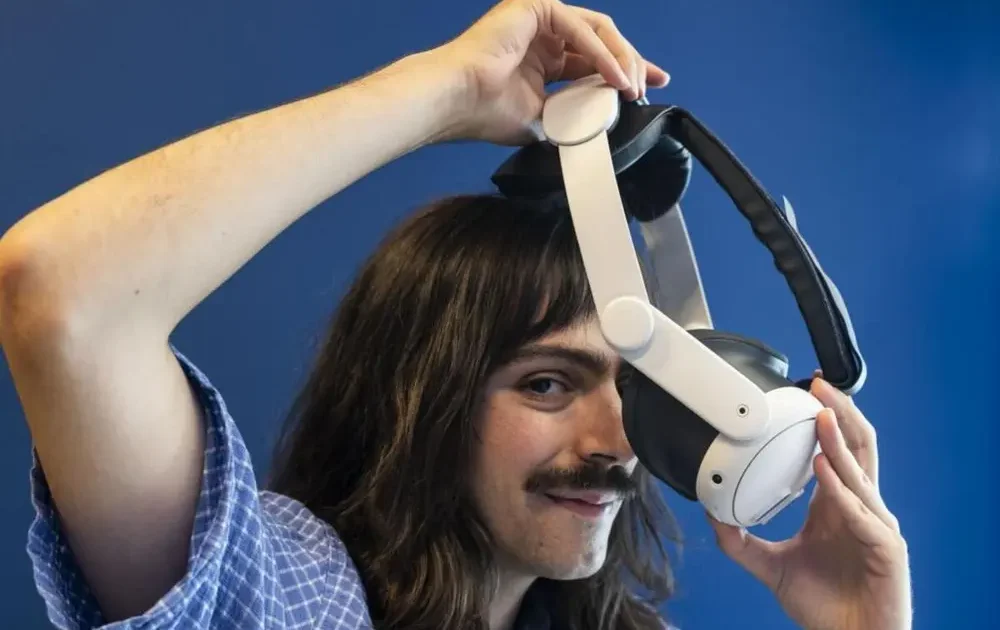
Álvaro Huertas, a Video Game Design student at the University of Burgos (UBU), has dedicated his Final Degree Project to reviving a lost piece of local history. Using Mixed Reality, he has created an interactive videogame that reconstructs the ancient altarpiece of the San Salvador de Oña Monastery, a magnificent structure that was dismantled and removed around 1765.
By putting on a mixed reality headset, users find themselves inside the monastery’s main chapel. Here, they are challenged to rebuild the Gothic-Renaissance altarpiece in a time-based cooperative puzzle. One player interacts with the digital fragments while another gives verbal instructions. This approach not only recovers the lost heritage of Oña but also transforms historical learning into an engaging dynamic that blends art, history, and interactive design.
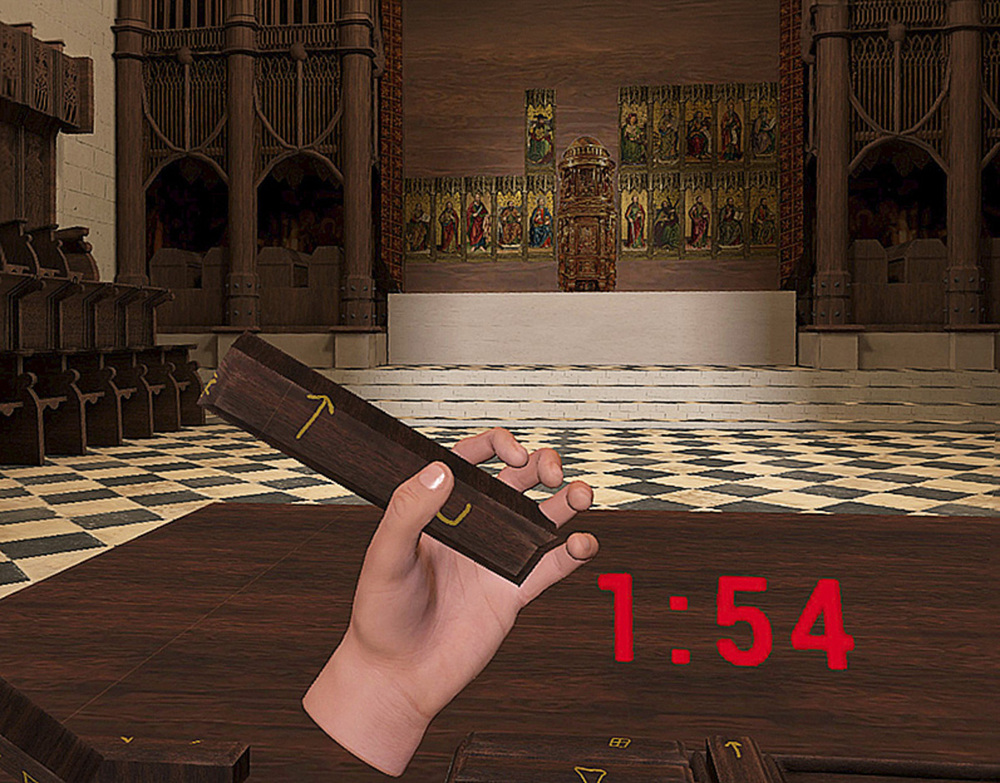
The development of this project was heavily supported by XRAILab, the university’s extended reality laboratory. Guided by his tutor and lab member Bruno Rodríguez, Huertas utilized the lab’s advanced tools to blend physical and virtual environments in real-time. This collaboration provided the perfect setting to merge accurate historical preservation with modern gameplay mechanics, focusing on cultural and educational outreach.
To ensure the digital recreation was as faithful to reality as possible, Huertas employed advanced photogrammetry. He meticulously photographed the surviving fragments scattered around the abbey, and even traveled to a conservation center in Simancas to scan four of the original wooden panels. By using specialized software to process hundreds of images, he generated highly detailed 3D models with authentic textures and reliefs that make the mixed reality experience truly convincing.
The resulting application, known as Oña MR Experience, is designed to be highly accessible and does not require users to have any previous knowledge of the abbey’s history. Currently available on GitHub, the creator plans to continue expanding the project’s educational elements to better share the monastery’s memory.
With the backing of institutions like the Museum of Burgos and its director, Luis Araus, this initiative highlights the immense potential of using new media for cultural dissemination. Once again, it underscores the University’s dedication to using cutting-edge immersive technology to bring academic research and historical heritage closer to the general public.

No Comments