
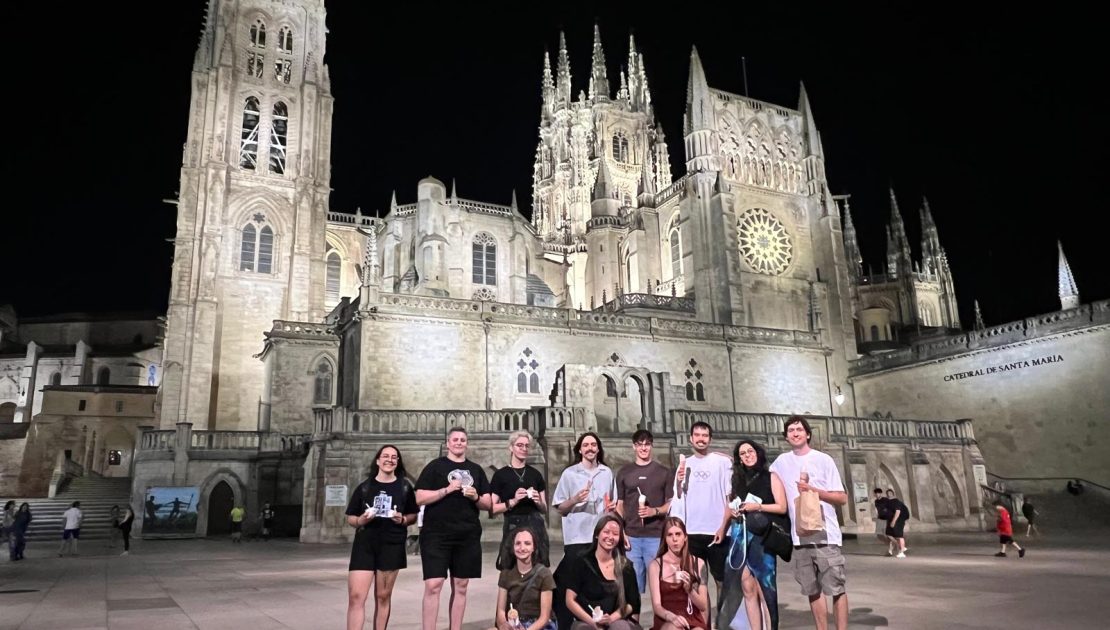
PhD student Federica Faggiano, from the National PhD Program in Heritage Science at Sapienza Università di Roma, recently completed a four-month research stay at XRAILab, part of the ADMIRABLE Research Group at the University of Burgos, focusing on the application of digital technologies in Cultural Heritage.
During her time with us, Faggiano explored how digital tools can address the growing complexity of documenting, studying, interpreting, managing, and communicating cultural heritage. A primary focus of her stay was integrating technologies like digitization, 3D modeling, and especially Extended Reality (XR) into digital curation workflows for archaeological contexts. These technologies not only enable new ways to document and analyze cultural assets but also help create more accessible and innovative experiences to engage diverse audiences.
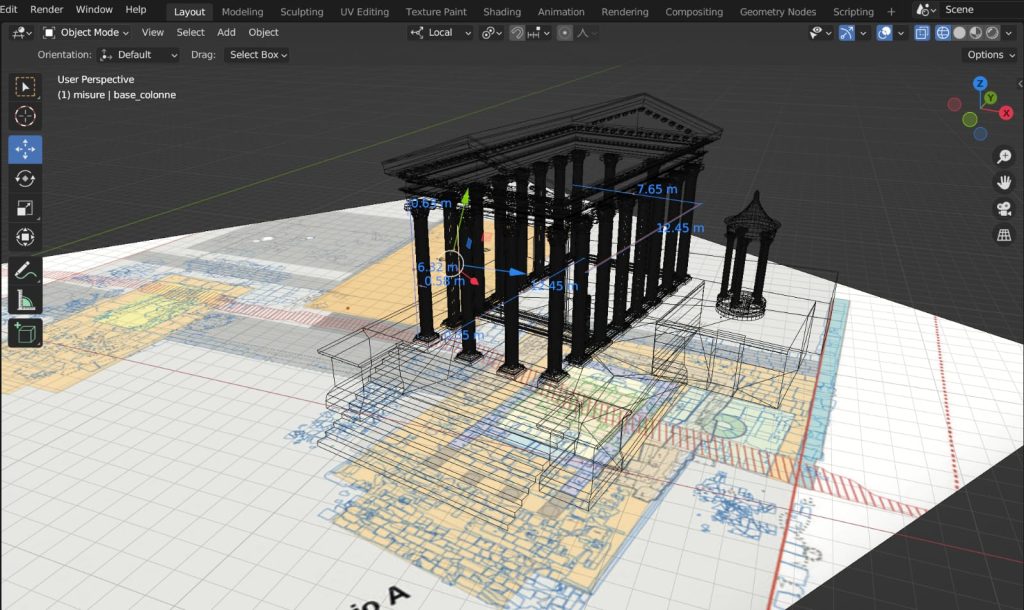
In this context, the researcher analyzed the current state of the art in the field and worked on the digital reconstruction of the archaeological site of Hierapolis of Phrygia (Turkey) across its different historical stages. The goal was to design a technological product capable of explaining the full complexity of this site. The outcomes of this research stay will soon be published in scientific journals in collaboration with the University of Burgos
Reflecting on her experience, Faggiano shared: “Working closely with the ADMIRABLE Research Group allowed me to delve into the most innovative techniques for 3D modeling and optimizing digital models for cultural heritage, as well as the challenges and opportunities related to Extended Reality. It has been a period of significant growth in my doctoral journey, laying a solid foundation for my current and future research. The stimulating environment, coupled with the group’s up-to-date expertise across various research areas, made my stay at the University of Burgos a fundamental pillar of my PhD, for which I am deeply grateful.”
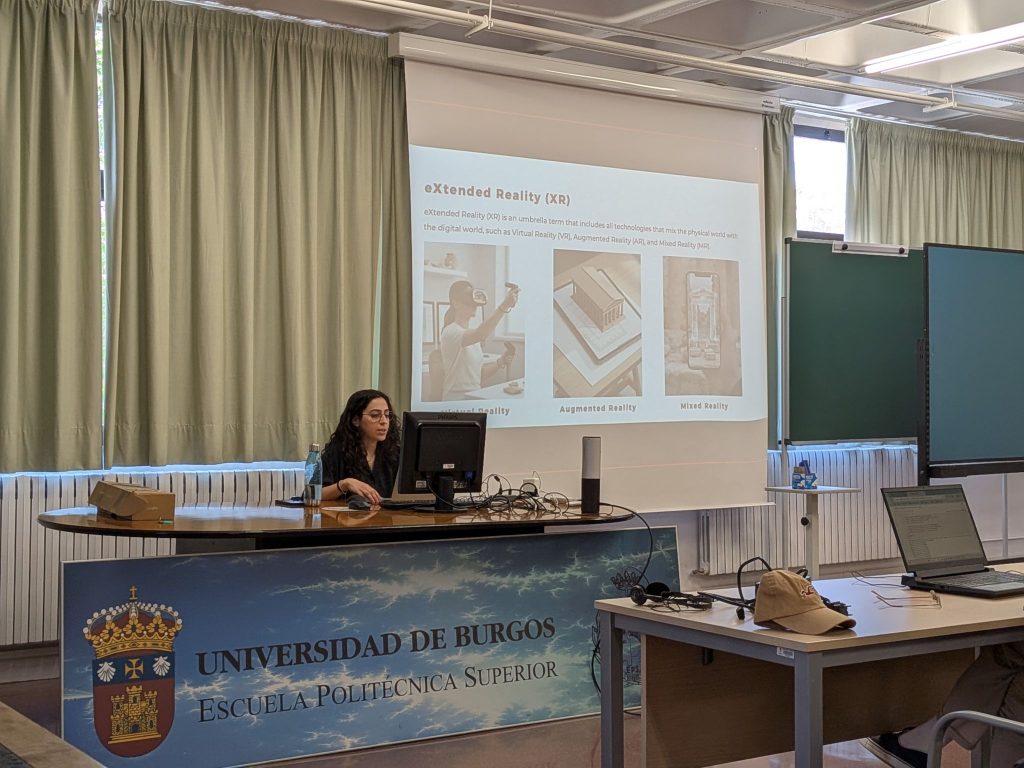
As part of the activities carried out during her visit, Federica also delivered a seminar within the PhD program in Industrial, Computer, and Civil Engineering and Technologies. During this session, she discussed the application of digital technologies to cultural heritage, sharing her expertise and presenting various methodological approaches and practical applications in the field.
We want to thank Federica for her visit, her hard work, and her active participation in the various activities carried out during her stay. We highly value the insightful perspective she brought regarding the role of digital technologies in the study and dissemination of Cultural Heritage.

No Comments